Udawalawe National Park
Udawalawe National Park
A sanctuary shaped by water, sunlight and the gentle presence of giants
Udawalawe lies on the border of Sri Lanka’s Sabaragamuwa and Uva Provinces, a vast landscape of open plains, shimmering reservoir waters and grasslands that stretch toward distant mountains. Created in 1972 to protect wildlife displaced by the construction of the Udawalawe Reservoir, the park now stands as one of the island’s most important habitats for elephants and other large mammals.
Spanning more than thirty thousand hectares, the park feels bright and open, with an average temperature of twenty nine degrees that brings a touch of warm savanna character to the scenery. Rain arrives mainly from October to January and again from March to May, feeding the reservoir and the wetlands that support life throughout the year.
Wildlife of Udawalawe
Udawalawe is one of the finest places in Asia to witness wild elephants. Nearly five hundred individuals live within the park, including around two hundred and fifty permanent residents. It is common to see entire herds, with calves moving close to their mothers and young bulls bathing in the shallows. These moments happen often, creating gentle and memorable encounters.
Beyond elephants, the park hosts a rich diversity of life. Ninety four species of plants, twenty one fish species, twelve amphibians, thirty three reptiles and more than one hundred and eighty species of birds have been recorded. Mammals include sambur deer, Sri Lankan axis deer, golden jackal, wild buffalo, toque macaques, tufted grey langurs, wild boar, Asian palm civets and the elusive leopard. Fishing cats roam near the reservoir at night, and water monitors can be seen sunning themselves on riverbanks.
Reptile lovers will find oriental garden lizards, mugger crocodiles, Asian water monitors, painted lip lizards and an impressive range of snakes.
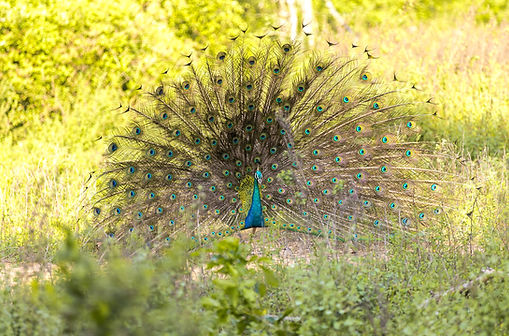
Birding here is superb. Endemic species such as the red faced malkoha, brown capped babbler, Sri Lanka grey hornbill and Sri Lanka spur fowl are often sighted. Migrant birds arrive in large numbers, while flocks of cormorants, spoonbills, openbills, ibis and painted storks gather at the water’s edge. Several species of raptors patrol the skies including white bellied sea eagles, crested serpent eagles and booted eagles.
Getting there?
The park is around three and a half hours from Colombo and two hours from Galle. Visitors traveling from Ella will find Udawalawe within easy reach, about two hours away through lush hill country roads. Even Yala lies close, just an hour and a half southeast, making Udawalawe an ideal addition to a multi park journey.
Private vehicles are the most convenient way to arrive, offering comfort and flexibility while moving between towns and landscapes.
How to explore?
Exploration in Udawalawe is by jeep safari with an experienced driver and naturalist. Safaris move through open terrain, allowing clear views across grasslands and water channels. Mornings provide golden light and calm air, while late afternoons bring activity as animals return to the reservoir to drink and bathe.
Best time to visit?
Udawalawe is a year round destination, with steady weather and reliable wildlife sightings. The most rewarding safari seasons fall between January and April and again from July to September when herds gather around the water sources and visibility is excellent.
Opening hours?
Udawalawe National Park welcomes visitors daily from 6 AM to 6 PM.

Udawalawe Elephant Transit Home
Just outside the park sits one of the country’s most moving conservation projects. The Udawalawe Elephant Transit Home cares for orphaned and injured elephant calves, providing food, water and protection until they are strong enough to survive independently in the wild. Watching their feeding time offers a rare glimpse into the care and dedication behind Sri Lanka’s wildlife conservation efforts.